News

A Success Story Between Experience and the New Generation

Posted on 18 May 2026

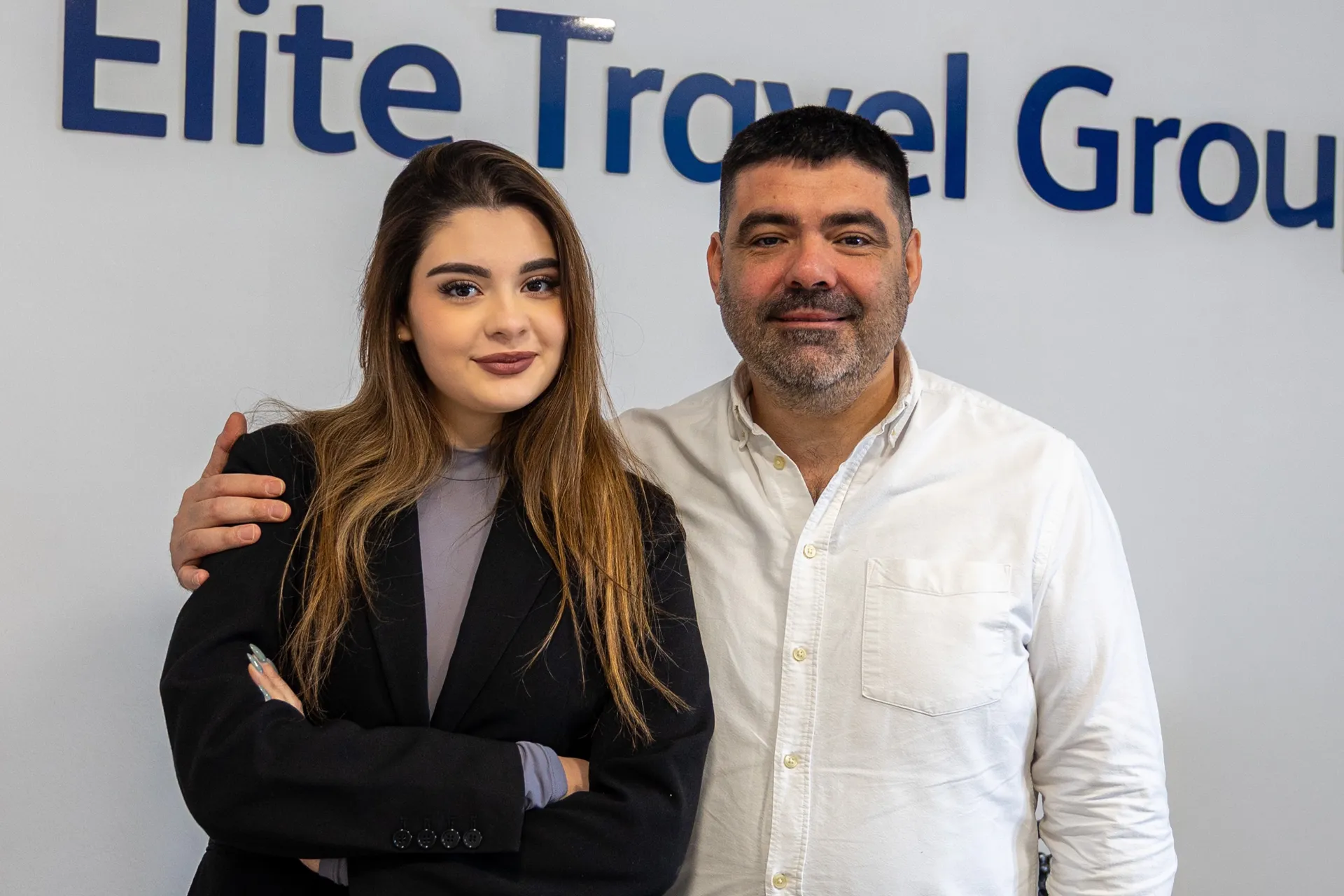
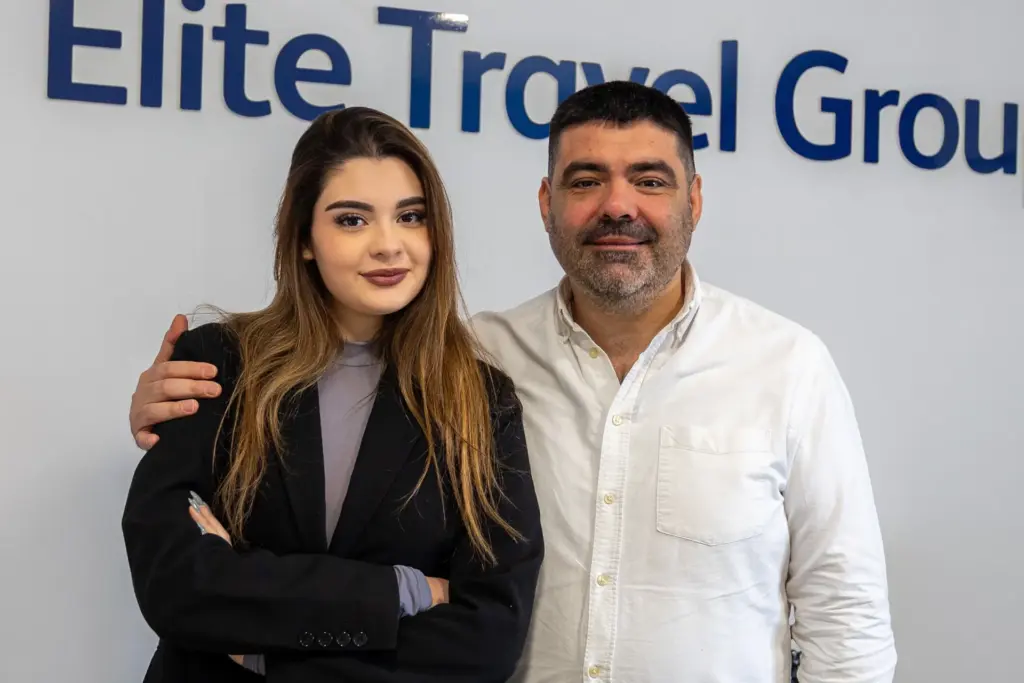
For more than 25 years, Elvis Kotherja has built and developed the family business, Elite Travel Group, into one of the leading companies in the tourism industry in Albania. Throughout this journey, his daughter, Rashela Kotherja, has also become part of the company’s growth and development.

In 2013, the company became part of the international Lufthansa City Center network and later, in 2025, opened a second Lufthansa City Center office in Tirana (after the one in Elbasan), marking a new chapter of growth, collaboration, and international innovation. Additionally, Elvis Kotherja is part of the Lufthansa City Center Advisory Board, representing Southeast Europe.

ETG continues to grow not only from a business perspective, but also in terms of long-term vision, gradually involving the new generation in the development of the company. The presence of Elite Travel Group and Elite Travel Lufthansa City Center within the global Lufthansa City Center network has provided access to international knowledge, advanced industry practices, professional collaborations, and new perspectives on the future of travel.

For Elvis, Lufthansa City Center has been more than just an international network. He describes this experience as a continuous process of learning and professional development, where every year brings new changes, ideas, and opportunities to better understand the direction of the industry.

One of the most important moments for him was the discussion about NDC (direct connect) and the future of airline product distribution, a topic that the Lufthansa City Center network addressed many years before it became part of the daily reality of the market. This approach helped the Elite Travel Group/Elite Travel Lufthansa City Center team understand early the importance of adaptation, technology, and new sales channels.

This philosophy of continuous learning and development has also been reflected within the company itself, where training, education, and the sharing of experience have become part of the working culture. In this context, every department leader is seen not only as a manager, but also as a mentor who contributes to the growth of the team.

In this journey, Rashela Kotherja is becoming increasingly involved as a representative of the new generation within Elite Travel Group. Having grown up close to the tourism industry and having been involved over the years in various departments such as sales, marketing, communications, product, innovation, and finance, Rashela has developed a broad understanding of how a modern travel company operates.

Currently, she studies UX/UI Design and Communication in Berlin, bringing to the company a new perspective connected to digitalisation, customer experience, and modern communication. For her, the future of the tourism industry should move hand in hand with technology, without losing the human value that stands at the center of every journey.

For Rashela, being part of the Lufthansa City Center community has also been an important experience. The opportunity to be part of an international network, where the younger generation is heard and encouraged to share their opinions, has created a strong sense of confidence and motivation to contribute further.

A story that shows how sustainable development in tourism is built through knowledge, collaboration, adaptation, and the courage to always look ahead.

Source: Lufthansa City Center

Read the full article here: https://www.join-lufthansa-city-center.com/#stories

News

Një histori suksesi mes eksperiencës dhe brezit të ri

Posted on 18 Maj 2026

 Prej më shumë se 25 vitesh, Elvis Kotherja ka ndërtuar dhe zhvilluar biznesin familjar, Elite Travel Group, si një nga kompanitë lider në industrinë e turizmit në Shqipëri. Në këtë rrugëtim gjithashtu është përfshirë edhe vajza e tij, Rashela Kotherja.

Në vitin 2013, kompania u bë pjesë e rrjetit ndërkombëtar Lufthansa City Center dhe më pas, në vitin 2025, hapi një pikë të dytë Lufthansa City Center në Tiranë (pas asaj në Elbasan), duke shënuar një kapitull të ri zhvillimi, bashkëpunimi dhe inovacioni ndërkombëtar. Gjithashtu, Elvis Kotherja është pjesë e Advisory Board të Lufthansa City Center, ku përfaqëson Europën Juglindore.

ETG vazhdon të rritet jo vetëm në aspektin e biznesit, por edhe në aspektin e vizionit afatgjatë, duke përfshirë gradualisht edhe brezin e ri në zhvillimin e kompanisë. Prezenca e Elite Travel Group dhe Elite Travel Lufthansa City Center në rrjetin global të Lufthansa City Center ka mundësuar akses në njohuri ndërkombëtare, praktika të avancuara të industrisë, bashkëpunime profesionale dhe perspektiva të reja mbi të ardhmen e udhëtimit.

Për Elvisin, Lufthansa City Center ka qenë më shumë se një rrjet ndërkombëtar. Ai e përshkruan këtë eksperiencë si një proces të vazhdueshëm mësimi dhe zhvillimi profesional, ku çdo vit sjell ndryshime, ide të reja dhe mundësi për të kuptuar më herët drejtimin e industrisë.

Një nga momentet më të rëndësishme për të ka qenë diskutimi mbi NDC (direct connect) dhe të ardhmen e shpërndarjes së produkteve ajrore, një temë që rrjeti Lufthansa City Center e ka trajtuar shumë vite përpara se të bëhej pjesë e realitetit të përditshëm të tregut. Kjo qasje ka ndihmuar ekipin e Elite Travel Group/Elite Travel Lufthansa City Center të kuptojë më herët rëndësinë e përshtatjes, teknologjisë dhe kanaleve të reja të shitjes.

Kjo filozofi e të mësuarit dhe zhvillimit të vazhdueshëm është reflektuar edhe brenda vetë kompanisë, ku trajnimi, edukimi dhe ndarja e eksperiencës janë kthyer në pjesë të kulturës së punës. Në këtë kontekst, çdo drejtues departamenti shihet jo vetëm si menaxher, por edhe si një mentor që kontribuon në rritjen e ekipit.

Në këtë rrugëtim po përfshihet gjithnjë e më shumë edhe Rashela Kotherja, përfaqësuese e brezit të ri në Elite Travel Group. E rritur pranë industrisë së turizmit dhe e përfshirë ndër vite në departamente të ndryshme si shitjet, marketingu, komunikimi, produkti, inovacioni dhe financa, Rashela ka ndërtuar një kuptim të gjerë mbi mënyrën se si funksionon një kompani moderne udhëtimesh.

Aktualisht, ajo studion UX/UI Design dhe Communication në Berlin, duke sjellë në kompani një perspektivë të re të lidhur me dixhitalizimin, eksperiencën e klientit dhe komunikimin modern. Për të, e ardhmja e industrisë së turizmit duhet të ecë paralelisht me teknologjinë, pa humbur vlerën njerëzore që qëndron në qendër të çdo udhëtimi.

Për Rashelën, pjesëmarrja në komunitetin Lufthansa City Center ka qenë gjithashtu një eksperiencë e rëndësishme. Mundësia për të qenë pjesë e një rrjeti ndërkombëtar, ku brezi i ri dëgjohet dhe inkurajohet të japë mendimin e tij, ka krijuar një ndjesi besimi dhe motivimi për të kontribuar më tej.

Një histori që tregon se zhvillimi i qëndrueshëm në turizëm ndërtohet përmes dijes, bashkëpunimit, përshtatjes dhe guximit për të parë gjithmonë përpara.

Lexo artikullin e plotë këtu: https://www.join-lufthansa-city-center.com/#stories

Press Release

Turizmi Shqiptar: Drejt Një të Ardhme të Qëndrueshme

Posted on 30 December 2024

Bazuar në intervistën me Elvis Kotherja, CEO i Elite Travel Group dhe Kryetar i Komitetit të Turizmit dhe Mikpritjes pranë AmCham


Turizmi po merr një zhvillim të madh vitet e fundit dhe po konsiderohet si një nga sektorët prioritarë. Në opinionin tuaj, si përfaqësues i biznesit në këtë sektor, por dhe i Komitetit të Turizmit, qëndron kjo konsideratë? Mundet turizmi të bëhet një forcë tërheqëse për ekonominë shqiptare?

Së pari, dua të falënderoj nga zemra gjithë stafin ekzekutiv për mbështetjen e pandërprerë që i është ofruar Komitetit të Turizmit dhe Mikpritjes. Pa këtë mbështetje, nuk do të kishim arritur këto rezultate, të cilat, në fund të këtij dyvjeçari, do të jenë themeli për vijimin e punës sonë në këtë sektor në vitet që vijnë. Është fakt që turizmi mbetet i vetmi sektor i ekonomisë shqiptare që vijon të mbajë një trend rritës, pavarësisht sfidave të shumta. 

Disa nga këto sfida përfshijnë kursin e këmbimit, i cili ndikon negativisht në të ardhurat e sektorit, dhe mungesën e theksuar të fuqisë punëtore të kualifikuar.
Megjithatë, është inkurajuese të shohësh një vullnet të qartë nga të gjithë aktorët—duke filluar nga institucionet politike, qeveria dhe sektori privat. 

Lajmi më i mirë i këtyre viteve të fundit është që tashmë Ministria e Turizmit dhe Mjedisit ka një vizion të qartë për të ardhmen. Ajo ka marrë angazhimin dhe lidershipin për krijimin e një drafti final të strategjisë së zhvillimit të turizmit, në të cilin kemi kontribuar edhe ne.

Kjo është padyshim një shenjë pozitive për të gjithë industrinë. Për herë të parë, kemi një plan zhvillimi strategjik ku procesi i hartimit ka qenë tepër produktiv, duke përfshirë një gamë të gjerë aktorësh vendas dhe të huaj, si institucione publike dhe private. Si rezultat, kemi një tablo të qartë për të ardhmen e sektorit në vitet që vijnë. Gjithsesi, vetëm një strategji e shkruar nuk mjafton. Kërkohet gjithashtu një vullnet i fortë politik për zbatimin e saj, bazuar në faturën financiare që e shoqëron.

Në fund të fundit, bizneset në Shqipëri konsiderojnë prioritarë ata sektorë ku mbështetja financiare nga qeveria është evidente. Për çdo 1 milion euro të investuar nga qeveria, biznesi është i gatshëm të investojë të paktën 7 herë më shumë.
Turizmi ka potencialin të shndërrohet në një forcë të fuqishme për ekonominë shqiptare. Synimi ynë është të zhvillojmë një turizëm gjithëvjetor—turizmi që mbështet ekonominë, krijon punësim të vazhdueshëm dhe ndikon pozitivisht në sektorë të tjerë ekonomikë. Gjithashtu, turizmi gjithëvjetor kontribuon në përmbushjen e aspekteve sociale dhe ekonomike të turizmit të qëndrueshëm.

Shqipëria po hyn në hartën e vendeve atraktive për tu vizituar. Për të mos e humbur këtë interes çfarë duhet të kenë në konsideratë politikbërësit? Po bizneset e sektorit?

Po, është shumë e vërtetë që kjo është një mundësi e artë, e cila nuk duhet humbur. Ajo që politika duhet të ketë në konsideratë është e thjeshtë: të implementojë strategjinë e turizmit duke e mbështetur financiarisht dhe të vazhdojë me qasjen dhe vullnetin pozitiv që ka treguar deri tani ndaj sektorit privat. Është jetike që zhvillimi të bashkërendohet në çdo fazë, duke përfshirë gjithashtu trajnimin dhe edukimin profesional—pa të cilin kjo industri nuk ka të ardhme. 

Nga ana tjetër, bizneset kanë një përgjegjësi po aq të rëndësishme. Ato duhet të bëjnë kujdes me shërbimin dhe me çmimet. Nuk duhet parë rritja e kërkesës si një mundësi për abuzim, por si një mundësi për të krijuar një burim të ardhurash të qëndrueshme për vitet që vijnë. 

Dixhitalizimi është një tjetër element jetik që do ta ndihmojë industrinë të bëhet më efikase, më e shpejtë dhe më e saktë. Investimet në dixhitalizim duhet të jenë prioritet për bizneset, jo vetëm në implementimin e sistemeve të reja, por edhe në aftësimin e stafit për t’i përdorur ato në mënyrë të efektshme. 

Së fundmi, trajnimi dhe edukimi profesional mbeten shtylla të pazëvendësueshme për suksesin e turizmit.

Alokimi i fondeve në këtë fushë është jetik. Bizneset private nuk duhet të presin gjithmonë nga institucionet publike, por duhet të gjejnë zgjidhje të shpejta për të përmirësuar cilësinë e shërbimit.Pa buzëqeshje, pa etikë dhe pa mirësjellje nga çdo punonjës i industrisë, nuk mund të kemi klientë që rikthehen. Dhe pa klientë që rikthehen, nuk mund të ndërtojmë një turizëm të qëndrueshëm.

Në vitin 2025, nuk duhet të themi faleminderit vetëm kur shërbejmë, por duhet të mësojmë të themi të gjithë, pavarësisht nëse dimë apo jo anglisht: “You are welcome—jeni të mirëseardhur.”

Si qëndron Shqipëria në raport me vëndet e tjera të Adriatikut? Mundemi ne të bëhemi konkurrentë të fortë? Cfarë duhet bërë për ta fituar këtë kompeticion?

Në këtë fazë ku ndodhemi, është e natyrshme që Shqipëria të jetë e pozicionuar në fund të listës krahasuar me vendet e Mesdheut. Kjo është një situatë e pritshme, duke marrë parasysh se industria jonë e turizmit ka një moshë relativisht të re. 

Sidoqoftë, ajo që na pengon më shumë nuk është mungesa e përvojës, por mungesa e një strukture të mirëfilltë organizative, qoftë në politikëbërje, ashtu edhe në mënyrën se si bizneset menaxhojnë këtë industri.
Në fund të fundit, turizmi nuk është thjesht një sektor më vete; ai është administrim biznesi. Vetëm 20% e kësaj industrie lidhet direkt me turizmin si koncept, ndërsa 80% është njësoj si çdo industri tjetër, si prodhimi apo sektorët e tjerë të ekonomisë. Kjo duhet kuptuar qartë dhe me përgjegjësi nga të gjithë aktorët e përfshirë.

Shqipëria ka fatin dhe mundësinë për të ndërtuar një identitet të ri turistik, bazuar në traditat dhe kulturën tonë unike. Kjo është edhe pika kyçe që reflektohet në strategjinë tonë kombëtare. Nga ana tjetër, në këtë fazë të hershme të zhvillimit, ne duhet të konkurrojmë me çmimin. Kjo strategji është e domosdoshme derisa të arrijmë maturimin në cilësinë e shërbimit dhe të krijojmë një markë autentike, e cila do të na diferencojë dhe do të na japë avantazhin e qëndrueshmërisë.

Synimi është që një klient të mos vijë thjesht në Shqipëri, por të zgjedhë një destinacion specifik brenda saj. Një destinacion ku ai preferon një njësi akomoduese të veçantë, ku dëshiron të shërbehet nga Arbeni, të shijojë gatimet e Dritës, të provojë verën e një kantine në zonën e Fishtës dhe të marrë pjesë në aktivitete ku shoqëruesi Armandi dhe shoferi Artani janë gjithmonë të buzëqeshur dhe socialë.

Ne duhet të vazhdojmë të konkurrojmë me atë që tashmë na njohin: Mikpritjen tonë dhe buzëqeshjen që e kemi nga Zoti. Por, kjo duhet të kombinohet me profesionalizmin e fituar vitet e fundit dhe me përditësimin e vazhdueshëm të njohurive tona në këtë industri, që kërkon zhvillim të përhershëm dhe arsimim profesional.

Kjo është rruga jonë drejt një turizmi të qëndrueshëm, të suksesshëm dhe të diferencuar, i cili do të vendosë Shqipërinë në hartën e destinacioneve më të kërkuara në botë.

Burimi: https://amcham.com.al/newsletter-nr-17-english-shqip/

Press Release

Albanian Tourism: Towards a Sustainable Future

Posted on 30 December 2024

Based on an interview with Elvis Kotherja, CEO of Elite Travel Group and Chairman of the Tourism and Hospitality Committee at AmCham


Tourism has experienced significant growth in recent years and is increasingly recognized as a priority sector. As a representative of the business community in this sector and the Tourism Committee, do you agree with this view? Can tourism become a driving force for Albania’s economy?

First, I would like to extend my heartfelt thanks to the entire executive team for their unwavering support of the Tourism and Hospitality Committee. Without this assistance, we would not have achieved the results we are seeing today. These accomplishments will serve as the foundation for our continued work in the sector in the years ahead.

It’s undeniable that tourism remains the only sector in the Albanian economy showing consistent growth despite numerous challenges. Among these challenges are exchange rate fluctuations, which negatively affect the sector’s revenues, and the severe shortage of skilled labor. However, it’s encouraging to see a clear commitment from all key stakeholders—political institutions, the government, and the private sector.

One of the most positive developments in recent years is that the Ministry of Tourism and Environment now has a clear vision for the future. The Ministry has shown leadership by taking the initiative to create a final draft of the tourism development strategy, to which we have also contributed. This is a very promising sign for the entire industry.

For the first time, we have a strategic development plan in place. The process of creating this plan has been highly productive, with input from a wide range of local and international stakeholders, including both public and private institutions. As a result, we now have a clear outlook for the sector’s future in the coming years.

However, a written strategy alone is not sufficient. There must also be strong political will to implement it, supported by the necessary financial resources. In the end, businesses in Albania prioritize sectors where government support is clearly visible. For every 1 million euros invested by the government, businesses are ready to invest at least seven times that amount.

Tourism has the potential to become a significant driver of Albania’s economy. Our goal is to develop year-round tourism—a type of tourism that supports the economy, creates steady employment, and positively impacts other sectors. Additionally, year-round tourism helps achieve the social and economic goals of sustainable tourism.

Albania is emerging as an attractive destination on the map of countries to visit. To maintain this interest, what should policymakers focus on? And what role do businesses in the sector play?

Indeed, this is a golden opportunity that should not be missed. Policymakers must focus on one simple priority: to implement the tourism strategy with full financial support and continue the positive approach they have shown towards the private sector. It’s essential that development efforts be coordinated at every stage, with a special emphasis on professional training and education. Without this, the industry will not have a sustainable future.

On the other hand, businesses have a key responsibility as well. They must focus on service quality and pricing. An increase in demand should not be seen as an opportunity for exploitation but as a chance to create a stable source of revenue for the years ahead.

Digitalization is another crucial factor that will help the industry become more efficient, faster, and more accurate. Businesses should prioritize investments in digital tools—not only by implementing new systems but also by training staff to use these tools effectively.

Lastly, professional training and education remain essential pillars for tourism success. Allocating funds for this purpose is critical. Private businesses should not wait for public institutions to act but should seek solutions to improve service quality on their own. Without a smile, good manners, and ethics from every employee in the industry, repeat customers will be difficult to retain. And without repeat customers, sustainable tourism cannot be built.

By 2025, we should not just say “thank you” when serving customers; we should all learn to say, “You are welcome,” whether we speak English or not.

How does Albania compare to other Adriatic countries? Can we become strong competitors? What steps should be taken to succeed in this competition?

At this stage, it’s natural that Albania ranks near the bottom compared to other Mediterranean countries. This is an expected outcome given that our tourism industry is still relatively young. However, what holds us back most is not a lack of experience, but rather the absence of a well-defined organizational structure, both in policymaking and in the management of businesses within the industry.

Ultimately, tourism is not simply a sector; it is business management. Only 20% of the industry is directly related to tourism as a concept, while the other 80% functions much like any other industry, such as manufacturing or services. This understanding must be clear to all stakeholders involved.

Albania is fortunate to have the opportunity to build a new tourism identity based on our unique traditions and culture. This is the central focus of our national strategy. At the same time, in this early stage of development, we must compete on price. This approach is necessary until we reach a level of maturity in service quality and can create an authentic brand that differentiates us and gives us a sustainable competitive advantage.

The goal is for visitors not to simply come to Albania, but to choose a specific destination within the country. A destination where they prefer a unique accommodation experience, where they enjoy local dishes prepared by Drita, taste wine from a winery in Fishta, and participate in activities led by friendly and professional guides like Armand and Artani.

We must continue to compete based on what we are already known for: our hospitality and the warmth of our smiles. But this must be combined with the professionalism we have developed over the years and the ongoing refinement of our knowledge in this ever-evolving industry. Professional education and continuous development are key to maintaining our competitive edge.

This is our path toward sustainable, successful, and differentiated tourism, which will place Albania among the world’s most sought-after destinations.

Source: https://amcham.com.al/newsletter-nr-17-english-shqip/

A Success Story Between Experience and the New Generation – Elvis & Rashela Kotherja
News A Success Story Between Experience and the New Generation Posted on 18 May 2026 For more than 25 years, Elvis Kotherja has built and developed the family business, Elite Travel Group, into one of the leading companies in the tourism industry in Albania. Throughout this journey, his daughter, Rashela Kotherja, has also become part of the company’s growth and development. In 2013, the company became part of the international Lufthansa City Center network and later, in 2025, opened a second Lufthansa City Center office in Tirana (after the one in Elbasan), marking a new chapter of growth, collaboration, and international innovation. Additionally, Elvis Kotherja is part of the Lufthansa City Center Advisory Board, representing Southeast Europe. ETG continues to grow not only from a business perspective, but also in terms of long-term vision, gradually involving the new generation in the development of the company. The presence of Elite Travel Group and Elite Travel Lufthansa City Center within the global Lufthansa City Center network has provided access to international knowledge, advanced industry practices, professional collaborations, and new perspectives on the future of travel. For Elvis, Lufthansa City Center has been more than just an international network. He describes this experience as a continuous process of learning and professional development, where every year brings new changes, ideas, and opportunities to better understand the direction of the industry. One of the most important moments for him was the discussion about NDC (direct connect) and the future of airline product distribution, a topic that the Lufthansa City Center network addressed many years before it became part of the daily reality of the market. This approach helped the Elite Travel Group/Elite Travel Lufthansa City Center team understand early the importance of adaptation, technology, and new sales channels. This philosophy of continuous learning and development has also been reflected within the company itself, where training, education, and the sharing of experience have become part of the working culture. In this context, every department leader is seen not only as a manager, but also as a mentor who contributes to the growth of the team. In this journey, Rashela Kotherja is becoming increasingly involved as a representative of the new generation within Elite Travel Group. Having grown up close to the tourism industry and having been involved over the years in various departments such as sales, marketing, communications, product, innovation, and finance, Rashela has developed a broad understanding of how a modern travel company operates. Currently, she studies UX/UI Design and Communication in Berlin, bringing to the company a new perspective connected to digitalisation, customer experience, and modern communication. For her, the future of the tourism industry should move hand in hand with technology, without losing the human value that stands at the center of every journey. For Rashela, being part of the Lufthansa City Center community has also been an important experience. The opportunity to be part of an international network, where the younger generation is heard and encouraged to share their opinions, has created a strong sense of confidence and motivation to contribute further. A story that shows how sustainable development in tourism is built through knowledge, collaboration, adaptation, and the courage to always look ahead. Source: Lufthansa City Center Read the full article here: https://www.join-lufthansa-city-center.com/#stories […]

Read More…

Një histori suksesi mes eksperiencës dhe brezit të ri – Elvis dhe Rashela Kotherja

News Një histori suksesi mes eksperiencës dhe brezit të ri Posted on 18 Maj 2026  Prej më shumë se 25 vitesh, Elvis Kotherja ka ndërtuar dhe zhvilluar biznesin familjar, Elite Travel Group, si një nga kompanitë lider në industrinë e turizmit në Shqipëri. Në këtë rrugëtim gjithashtu është përfshirë edhe vajza e tij, Rashela Kotherja. Në vitin 2013, kompania u bë pjesë e rrjetit ndërkombëtar Lufthansa City Center dhe më pas, në vitin 2025, hapi një pikë të dytë Lufthansa City Center në Tiranë (pas asaj në Elbasan), duke shënuar një kapitull të ri zhvillimi, bashkëpunimi dhe inovacioni ndërkombëtar. Gjithashtu, Elvis Kotherja është pjesë e Advisory Board të Lufthansa City Center, ku përfaqëson Europën Juglindore. ETG vazhdon të rritet jo vetëm në aspektin e biznesit, por edhe në aspektin e vizionit afatgjatë, duke përfshirë gradualisht edhe brezin e ri në zhvillimin e kompanisë. Prezenca e Elite Travel Group dhe Elite Travel Lufthansa City Center në rrjetin global të Lufthansa City Center ka mundësuar akses në njohuri ndërkombëtare, praktika të avancuara të industrisë, bashkëpunime profesionale dhe perspektiva të reja mbi të ardhmen e udhëtimit. Për Elvisin, Lufthansa City Center ka qenë më shumë se një rrjet ndërkombëtar. Ai e përshkruan këtë eksperiencë si një proces të vazhdueshëm mësimi dhe zhvillimi profesional, ku çdo vit sjell ndryshime, ide të reja dhe mundësi për të kuptuar më herët drejtimin e industrisë. Një nga momentet më të rëndësishme për të ka qenë diskutimi mbi NDC (direct connect) dhe të ardhmen e shpërndarjes së produkteve ajrore, një temë që rrjeti Lufthansa City Center e ka trajtuar shumë vite përpara se të bëhej pjesë e realitetit të përditshëm të tregut. Kjo qasje ka ndihmuar ekipin e Elite Travel Group/Elite Travel Lufthansa City Center të kuptojë më herët rëndësinë e përshtatjes, teknologjisë dhe kanaleve të reja të shitjes. Kjo filozofi e të mësuarit dhe zhvillimit të vazhdueshëm është reflektuar edhe brenda vetë kompanisë, ku trajnimi, edukimi dhe ndarja e eksperiencës janë kthyer në pjesë të kulturës së punës. Në këtë kontekst, çdo drejtues departamenti shihet jo vetëm si menaxher, por edhe si një mentor që kontribuon në rritjen e ekipit. Në këtë rrugëtim po përfshihet gjithnjë e më shumë edhe Rashela Kotherja, përfaqësuese e brezit të ri në Elite Travel Group. E rritur pranë industrisë së turizmit dhe e përfshirë ndër vite në departamente të ndryshme si shitjet, marketingu, komunikimi, produkti, inovacioni dhe financa, Rashela ka ndërtuar një kuptim të gjerë mbi mënyrën se si funksionon një kompani moderne udhëtimesh. Aktualisht, ajo studion UX/UI Design dhe Communication në Berlin, duke sjellë në kompani një perspektivë të re të lidhur me dixhitalizimin, eksperiencën e klientit dhe komunikimin modern. Për të, e ardhmja e industrisë së turizmit duhet të ecë paralelisht me teknologjinë, pa humbur vlerën njerëzore që qëndron në qendër të çdo udhëtimi. Për Rashelën, pjesëmarrja në komunitetin Lufthansa City Center ka qenë gjithashtu një eksperiencë e rëndësishme. Mundësia për të qenë pjesë e një rrjeti ndërkombëtar, ku brezi i ri dëgjohet dhe inkurajohet të japë mendimin e tij, ka krijuar një ndjesi besimi dhe motivimi për të kontribuar më tej. Një histori që tregon se zhvillimi i qëndrueshëm në turizëm ndërtohet përmes dijes, bashkëpunimit, përshtatjes dhe guximit për të parë gjithmonë përpara. Lexo artikullin e plotë këtu: https://www.join-lufthansa-city-center.com/#stories […]

Read More…

Njoftim për Shtyp: Turizmi Shqiptar – Drejt Një të Ardhme të Qëndrueshme

Albanian Tourism Towards a Sustainable Future

Press Release Turizmi Shqiptar: Drejt Një të Ardhme të Qëndrueshme Posted on 30 December 2024 Bazuar në intervistën me Elvis Kotherja, CEO i Elite Travel Group dhe Kryetar i Komitetit të Turizmit dhe Mikpritjes pranë AmCham Turizmi po merr një zhvillim të madh vitet e fundit dhe po konsiderohet si një nga sektorët prioritarë. Në opinionin tuaj, si përfaqësues i biznesit në këtë sektor, por dhe i Komitetit të Turizmit, qëndron kjo konsideratë? Mundet turizmi të bëhet një forcë tërheqëse për ekonominë shqiptare? Së pari, dua të falënderoj nga zemra gjithë stafin ekzekutiv për mbështetjen e pandërprerë që i është ofruar Komitetit të Turizmit dhe Mikpritjes. Pa këtë mbështetje, nuk do të kishim arritur këto rezultate, të cilat, në fund të këtij dyvjeçari, do të jenë themeli për vijimin e punës sonë në këtë sektor në vitet që vijnë. Është fakt që turizmi mbetet i vetmi sektor i ekonomisë shqiptare që vijon të mbajë një trend rritës, pavarësisht sfidave të shumta. Disa nga këto sfida përfshijnë kursin e këmbimit, i cili ndikon negativisht në të ardhurat e sektorit, dhe mungesën e theksuar të fuqisë punëtore të kualifikuar. Megjithatë, është inkurajuese të shohësh një vullnet të qartë nga të gjithë aktorët—duke filluar nga institucionet politike, qeveria dhe sektori privat. Lajmi më i mirë i këtyre viteve të fundit është që tashmë Ministria e Turizmit dhe Mjedisit ka një vizion të qartë për të ardhmen. Ajo ka marrë angazhimin dhe lidershipin për krijimin e një drafti final të strategjisë së zhvillimit të turizmit, në të cilin kemi kontribuar edhe ne. Kjo është padyshim një shenjë pozitive për të gjithë industrinë. Për herë të parë, kemi një plan zhvillimi strategjik ku procesi i hartimit ka qenë tepër produktiv, duke përfshirë një gamë të gjerë aktorësh vendas dhe të huaj, si institucione publike dhe private. Si rezultat, kemi një tablo të qartë për të ardhmen e sektorit në vitet që vijnë. Gjithsesi, vetëm një strategji e shkruar nuk mjafton. Kërkohet gjithashtu një vullnet i fortë politik për zbatimin e saj, bazuar në faturën financiare që e shoqëron. Në fund të fundit, bizneset në Shqipëri konsiderojnë prioritarë ata sektorë ku mbështetja financiare nga qeveria është evidente. Për çdo 1 milion euro të investuar nga qeveria, biznesi është i gatshëm të investojë të paktën 7 herë më shumë. Turizmi ka potencialin të shndërrohet në një forcë të fuqishme për ekonominë shqiptare. Synimi ynë është të zhvillojmë një turizëm gjithëvjetor—turizmi që mbështet ekonominë, krijon punësim të vazhdueshëm dhe ndikon pozitivisht në sektorë të tjerë ekonomikë. Gjithashtu, turizmi gjithëvjetor kontribuon në përmbushjen e aspekteve sociale dhe ekonomike të turizmit të qëndrueshëm. Shqipëria po hyn në hartën e vendeve atraktive për tu vizituar. Për të mos e humbur këtë interes çfarë duhet të kenë në konsideratë politikbërësit? Po bizneset e sektorit? Po, është shumë e vërtetë që kjo është një mundësi e artë, e cila nuk duhet humbur. Ajo që politika duhet të ketë në konsideratë është e thjeshtë: të implementojë strategjinë e turizmit duke e mbështetur financiarisht dhe të vazhdojë me qasjen dhe vullnetin pozitiv që ka treguar deri tani ndaj sektorit privat. Është jetike që zhvillimi të bashkërendohet në çdo fazë, duke përfshirë gjithashtu trajnimin dhe edukimin profesional—pa të cilin kjo industri nuk ka të ardhme. Nga ana tjetër, bizneset kanë një përgjegjësi po aq të rëndësishme. Ato duhet të bëjnë kujdes me shërbimin dhe me çmimet. Nuk duhet parë rritja e kërkesës si një mundësi për abuzim, por si një mundësi për të krijuar një burim të ardhurash të qëndrueshme për vitet që vijnë. Dixhitalizimi është një tjetër element jetik që do ta ndihmojë industrinë të bëhet më efikase, më e shpejtë dhe më e saktë. Investimet në dixhitalizim duhet të jenë prioritet për bizneset, jo vetëm në implementimin e sistemeve të reja, por edhe në aftësimin e stafit për t’i përdorur ato në mënyrë të efektshme. Së fundmi, trajnimi dhe edukimi profesional mbeten shtylla të pazëvendësueshme për suksesin e turizmit. Alokimi i fondeve në këtë fushë është jetik. Bizneset private nuk duhet të presin gjithmonë nga institucionet publike, por duhet të gjejnë zgjidhje të shpejta për të përmirësuar cilësinë e shërbimit.Pa buzëqeshje, pa etikë dhe pa mirësjellje nga çdo punonjës i industrisë, nuk mund të kemi klientë që rikthehen. Dhe pa klientë që rikthehen, nuk mund të ndërtojmë një turizëm të qëndrueshëm. Në vitin 2025, nuk duhet të themi faleminderit vetëm kur shërbejmë, por duhet të mësojmë të themi të gjithë, pavarësisht nëse dimë apo jo anglisht: “You are welcome—jeni të mirëseardhur.” Si qëndron Shqipëria në raport me vëndet e tjera të Adriatikut? Mundemi ne të bëhemi konkurrentë të fortë? Cfarë duhet bërë për ta fituar këtë kompeticion? Në këtë fazë ku ndodhemi, është e natyrshme që Shqipëria të jetë e pozicionuar në fund të listës krahasuar me vendet e Mesdheut. Kjo është një situatë e pritshme, duke marrë parasysh se industria jonë e turizmit ka një moshë relativisht të re. Sidoqoftë, ajo që na pengon më shumë nuk është mungesa e përvojës, por mungesa e një strukture të mirëfilltë organizative, qoftë në politikëbërje, ashtu edhe në mënyrën se si bizneset menaxhojnë këtë industri. Në fund të fundit, turizmi nuk është thjesht një sektor më vete; ai është administrim biznesi. Vetëm 20% e kësaj industrie lidhet direkt me turizmin si koncept, ndërsa 80% është njësoj si çdo industri tjetër, si prodhimi apo sektorët e tjerë të ekonomisë. Kjo duhet kuptuar qartë dhe me përgjegjësi nga të gjithë aktorët e përfshirë. Shqipëria ka fatin dhe mundësinë për të ndërtuar një identitet të ri turistik, bazuar në traditat dhe kulturën tonë unike. Kjo është edhe pika kyçe që reflektohet në strategjinë tonë kombëtare. Nga ana tjetër, në këtë fazë të hershme të zhvillimit, ne duhet të konkurrojmë me çmimin. Kjo strategji është e domosdoshme derisa të arrijmë maturimin në cilësinë e shërbimit dhe të krijojmë një markë autentike, e cila do të na diferencojë dhe do të na japë avantazhin e qëndrueshmërisë. Synimi është që një klient të mos vijë thjesht në Shqipëri, por të zgjedhë […]

Read More…

Press Release: Albanian Tourism – Towards a Sustainable Future

Albanian Tourism Towards a Sustainable Future

Press Release Albanian Tourism: Towards a Sustainable Future Posted on 30 December 2024 Based on an interview with Elvis Kotherja, CEO of Elite Travel Group and Chairman of the Tourism and Hospitality Committee at AmCham Tourism has experienced significant growth in recent years and is increasingly recognized as a priority sector. As a representative of the business community in this sector and the Tourism Committee, do you agree with this view? Can tourism become a driving force for Albania’s economy? First, I would like to extend my heartfelt thanks to the entire executive team for their unwavering support of the Tourism and Hospitality Committee. Without this assistance, we would not have achieved the results we are seeing today. These accomplishments will serve as the foundation for our continued work in the sector in the years ahead. It’s undeniable that tourism remains the only sector in the Albanian economy showing consistent growth despite numerous challenges. Among these challenges are exchange rate fluctuations, which negatively affect the sector’s revenues, and the severe shortage of skilled labor. However, it’s encouraging to see a clear commitment from all key stakeholders—political institutions, the government, and the private sector. One of the most positive developments in recent years is that the Ministry of Tourism and Environment now has a clear vision for the future. The Ministry has shown leadership by taking the initiative to create a final draft of the tourism development strategy, to which we have also contributed. This is a very promising sign for the entire industry. For the first time, we have a strategic development plan in place. The process of creating this plan has been highly productive, with input from a wide range of local and international stakeholders, including both public and private institutions. As a result, we now have a clear outlook for the sector’s future in the coming years. However, a written strategy alone is not sufficient. There must also be strong political will to implement it, supported by the necessary financial resources. In the end, businesses in Albania prioritize sectors where government support is clearly visible. For every 1 million euros invested by the government, businesses are ready to invest at least seven times that amount. Tourism has the potential to become a significant driver of Albania’s economy. Our goal is to develop year-round tourism—a type of tourism that supports the economy, creates steady employment, and positively impacts other sectors. Additionally, year-round tourism helps achieve the social and economic goals of sustainable tourism. Albania is emerging as an attractive destination on the map of countries to visit. To maintain this interest, what should policymakers focus on? And what role do businesses in the sector play? Indeed, this is a golden opportunity that should not be missed. Policymakers must focus on one simple priority: to implement the tourism strategy with full financial support and continue the positive approach they have shown towards the private sector. It’s essential that development efforts be coordinated at every stage, with a special emphasis on professional training and education. Without this, the industry will not have a sustainable future. On the other hand, businesses have a key responsibility as well. They must focus on service quality and pricing. An increase in demand should not be seen as an opportunity for exploitation but as a chance to create a stable source of revenue for the years ahead. Digitalization is another crucial factor that will help the industry become more efficient, faster, and more accurate. Businesses should prioritize investments in digital tools—not only by implementing new systems but also by training staff to use these tools effectively. Lastly, professional training and education remain essential pillars for tourism success. Allocating funds for this purpose is critical. Private businesses should not wait for public institutions to act but should seek solutions to improve service quality on their own. Without a smile, good manners, and ethics from every employee in the industry, repeat customers will be difficult to retain. And without repeat customers, sustainable tourism cannot be built. By 2025, we should not just say “thank you” when serving customers; we should all learn to say, “You are welcome,” whether we speak English or not. How does Albania compare to other Adriatic countries? Can we become strong competitors? What steps should be taken to succeed in this competition? At this stage, it’s natural that Albania ranks near the bottom compared to other Mediterranean countries. This is an expected outcome given that our tourism industry is still relatively young. However, what holds us back most is not a lack of experience, but rather the absence of a well-defined organizational structure, both in policymaking and in the management of businesses within the industry. Ultimately, tourism is not simply a sector; it is business management. Only 20% of the industry is directly related to tourism as a concept, while the other 80% functions much like any other industry, such as manufacturing or services. This understanding must be clear to all stakeholders involved. Albania is fortunate to have the opportunity to build a new tourism identity based on our unique traditions and culture. This is the central focus of our national strategy. At the same time, in this early stage of development, we must compete on price. This approach is necessary until we reach a level of maturity in service quality and can create an authentic brand that differentiates us and gives us a sustainable competitive advantage. The goal is for visitors not to simply come to Albania, but to choose a specific destination within the country. A destination where they prefer a unique accommodation experience, where they enjoy local dishes prepared by Drita, taste wine from a winery in Fishta, and participate in activities led by friendly and professional guides like Armand and Artani. We must continue to compete based on what we are already known for: our hospitality and the warmth of our smiles. But this must be combined with the professionalism we have developed over the years and the ongoing […]

Read More…